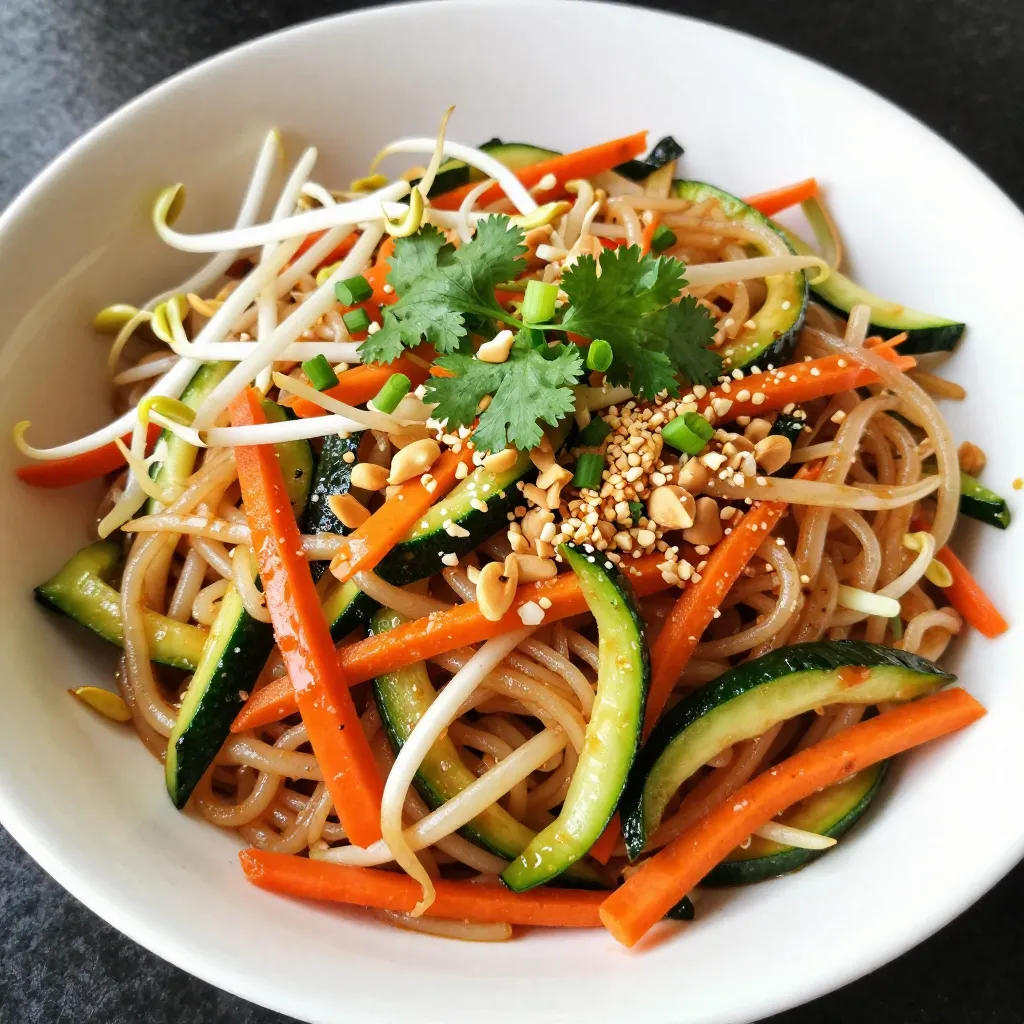
Ready to elevate your dinner game? This Veggie Loaded Pad Thai is packed with flavors and nutrients. Whether you’re a seasoned cook or a kitchen novice, you’ll find joy in creating this colorful dish. With simple steps, fresh veggies, and easy substitutions, this Pad Thai will nourish your body and delight your taste buds. Let’s dive in and whip up a meal that everyone will love!
Why I Love This Recipe
- Flavor Packed: This Veggie Loaded Pad Thai is bursting with flavors from the fresh vegetables and the perfect balance of spices and sauces.
- Customizable: You can easily swap out vegetables or proteins to fit your preferences or what you have on hand, making it a versatile dish.
- Quick and Easy: Ready in just 30 minutes, this recipe is perfect for a quick weeknight dinner without sacrificing taste.
- Healthy and Wholesome: Packed with colorful veggies, this dish is not only delicious but also nutritious, making it a guilt-free indulgence.
Ingredients
Main Ingredients Overview
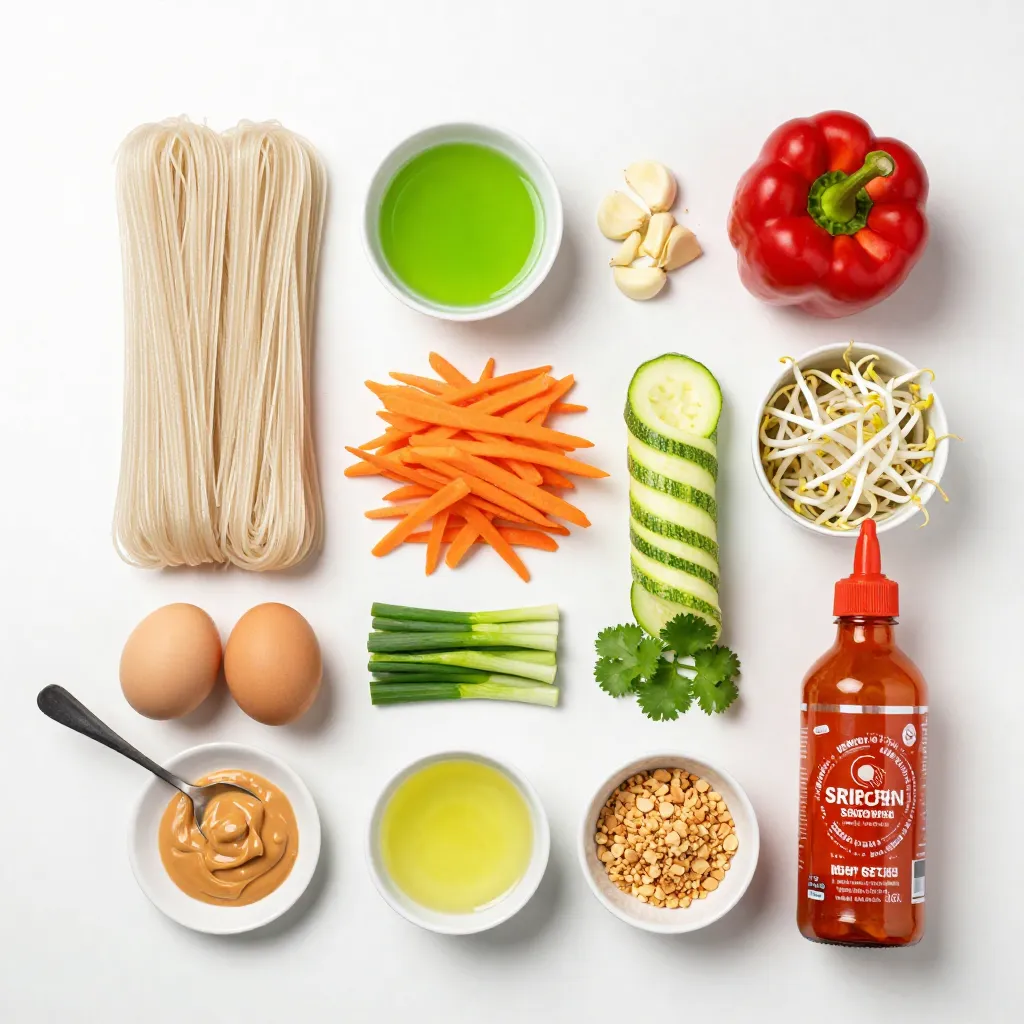
To make Veggie Loaded Pad Thai, you need some key ingredients. Here’s a list:
– 8 oz rice noodles
– 2 tablespoons vegetable oil
– 3 cloves garlic, minced
– 1 bell pepper, julienned (any color)
– 1 cup shredded carrots
– 1 medium zucchini, spiralized
– 1 cup bean sprouts
– 2 green onions, sliced thinly
– 2 large eggs (or firm tofu, crumbled for a vegan option)
– 3 tablespoons soy sauce (low sodium preferred)
– 1 tablespoon creamy peanut butter
– 1 tablespoon fresh lime juice
– 1 teaspoon sriracha (adjust for desired spice level)
– Crushed peanuts and fresh cilantro for garnish
Each of these items adds flavor and texture. The rice noodles are the base, while the veggies give crunch and freshness. Garlic brings out strong flavors, and soy sauce adds umami. Peanut butter gives a creamy touch, and lime juice adds brightness.
Additional Ingredients for Garnishing
Garnishing makes your dish look and taste even better. For this recipe, use:
– Crushed peanuts
– Fresh cilantro
These toppings add crunch and a burst of flavor. The cilantro gives a fresh taste, while peanuts add a nice crunch.
Recommended Substitutions for a Vegan Option
If you want a fully vegan dish, use firm tofu instead of eggs. Here are some other ideas:
– Replace soy sauce with tamari for gluten-free options.
– Use almond butter instead of peanut butter for a different taste.
– Swap zucchini with bell peppers or mushrooms for variety.
These substitutes keep your meal tasty and plant-based. They help you customize your dish based on what you have or prefer.
Step-by-Step Instructions
Cooking the Rice Noodles
Start by cooking the rice noodles. Follow the package directions carefully. It’s key to cook them just right. They should be al dente. Once done, drain them well and place them in a large bowl. This keeps them from sticking together.
Sautéing the Vegetables
Next, heat the vegetable oil in a large skillet or wok. Set the heat to medium. Add minced garlic and cook it until it gets fragrant. This takes about 30 seconds. Then, add the julienned bell pepper and shredded carrots. Stir them often for 3 to 4 minutes. They should get soft but still have some crunch. After that, add the spiralized zucchini. Cook for 2 more minutes, stirring to mix well.
Adding Protein and Combining Flavors
When the veggies are nearly done, push them to one side of the pan. This creates space for the protein. Crack the eggs on the empty side and scramble them. If you prefer a vegan dish, crumble the tofu instead. Once the protein is cooked, mix it into the veggies. Now, add the cooked rice noodles. Pour in the soy sauce, creamy peanut butter, lime juice, and sriracha. Stir everything continuously for 2 to 3 minutes. Make sure it’s all blended well and heated through.
Serving Suggestions
Finally, fold in the bean sprouts and sliced green onions. Cook for just one more minute. This will help them soften a bit while keeping their crunch. Serve your Veggie Loaded Pad Thai hot. Place it on individual plates and garnish with crushed peanuts and fresh cilantro. This adds a nice touch both in flavor and looks. Enjoy your meal!
Tips & Tricks
How to Ensure Perfect Noodles
To make perfect rice noodles, start by boiling water in a pot. Add the noodles and stir gently. Cook them according to the package instructions. I like to check them one minute early. They should be firm but not hard. Drain the noodles and rinse them under cold water. This stops cooking and keeps them from sticking.
Adjusting Spiciness to Your Taste
If you love spice, start with one teaspoon of sriracha. Mix it in well. Taste the dish, and add more if you want it hotter. For a milder dish, use less or skip it. You can also add chili flakes for extra heat. Adjust the spice to fit your taste and enjoy!
Storing Leftovers Properly
To store leftover Veggie Loaded Pad Thai, let it cool first. Place it in an airtight container. You can keep it in the fridge for up to three days. When you’re ready to eat, reheat it in a pan with a splash of water. This keeps the noodles moist and tasty. Enjoy your meal later without losing flavor!
Pro Tips
- Prep Your Ingredients: Before you start cooking, chop and prepare all your vegetables and other ingredients. This will make the cooking process smoother and more enjoyable.
- Choose the Right Noodles: For the best texture, use rice noodles that are specifically labeled for stir-frying or pad thai. They hold up better during cooking.
- Adjust the Spice: Feel free to modify the amount of sriracha according to your heat preference. You can also add fresh chili for an extra kick.
- Garnish Generously: Don’t skip the crushed peanuts and cilantro for garnish. They add flavor and a delightful crunch to your dish.
Variations
Protein Variations (Shrimp, Chicken, Tofu)
You can change the protein in Veggie Loaded Pad Thai. Shrimp adds a sweet, briny taste. Chicken brings a hearty flavor that many enjoy. Tofu is a great choice for vegans or vegetarians. It absorbs flavors well. Use firm tofu and crumble it for the right texture. When adding protein, cook it first, then mix it with the veggies.
Different Vegetable Combinations
Feel free to swap the vegetables to suit your taste. Broccoli, snap peas, or bell peppers work well. You can also try mushrooms for an earthy touch. Each veggie adds its own flair. Use what you have at home. The goal is to keep it colorful and crunchy. This keeps the dish fresh and exciting.
Gluten-Free Options
Need a gluten-free option? Choose rice noodles made from 100% rice. Check labels to make sure. Instead of soy sauce, use tamari. It has a similar taste without gluten. This way, everyone can enjoy this tasty meal. Always check for hidden gluten in sauces and other ingredients.
Nutritional Information
Calorie Breakdown per Serving
Each serving of Veggie Loaded Pad Thai has about 400 calories. This dish gives you a good balance of carbs, proteins, and fats. Rice noodles and vegetables fill you up without too many calories. The eggs or tofu add protein, which helps build and repair muscles.
Key Nutritional Benefits
Veggie Loaded Pad Thai packs a lot of nutrition. It has:
– Vitamins: The bell pepper and carrots are rich in vitamins A and C. These vitamins boost your immune system.
– Fiber: Zucchini and bean sprouts add fiber. Fiber helps your digestion and keeps you full longer.
– Healthy Fats: Peanut butter offers healthy fats. These fats are good for your heart.
Dietary Considerations
This recipe can fit many diets. It can easily become vegan with tofu instead of eggs. It is also gluten-free if you use gluten-free soy sauce. Always check labels to ensure your ingredients meet your diet needs. This dish is tasty and nourishing for everyone.
FAQs
Can I use pre-packaged pad thai sauce?
Yes, you can use pre-packaged pad thai sauce. It saves time and adds flavor. However, check the label for added sugars and sodium. You want a sauce that fits your taste. If you prefer a lighter option, mix soy sauce, lime juice, and peanut butter for a quick sauce.
How long can I store leftover Veggie Loaded Pad Thai?
You can store leftovers in the fridge for up to three days. Place the Pad Thai in an airtight container. To reheat, add a splash of water or soy sauce to keep it moist. Heat it in a pan over medium heat. Stir often to avoid sticking.
What are some common mistakes to avoid when making Pad Thai?
One common mistake is overcooking the noodles. They should be al dente. Another mistake is adding too much sauce. Start with a small amount and adjust to your taste. Lastly, don’t forget to add the bean sprouts last. They should stay crisp for the best texture.
Can I make Veggie Loaded Pad Thai ahead of time?
Yes, you can make it ahead of time. Cook the noodles and veggies, but wait to add the eggs or tofu until you are ready to serve. Store the components separately. This keeps everything fresh and tasty. When ready to eat, just combine and heat.
This blog post explored how to make Veggie Loaded Pad Thai. We covered key ingredients, step-by-step cooking, and tips for perfect noodles. I shared protein options and ways to adjust for vegan needs. Remember to store leftovers properly for the best taste.
Pad Thai is a fun dish to customize. Experiment with flavors and ingredients your way. Enjoy cooking and tasting your delicious creatio